
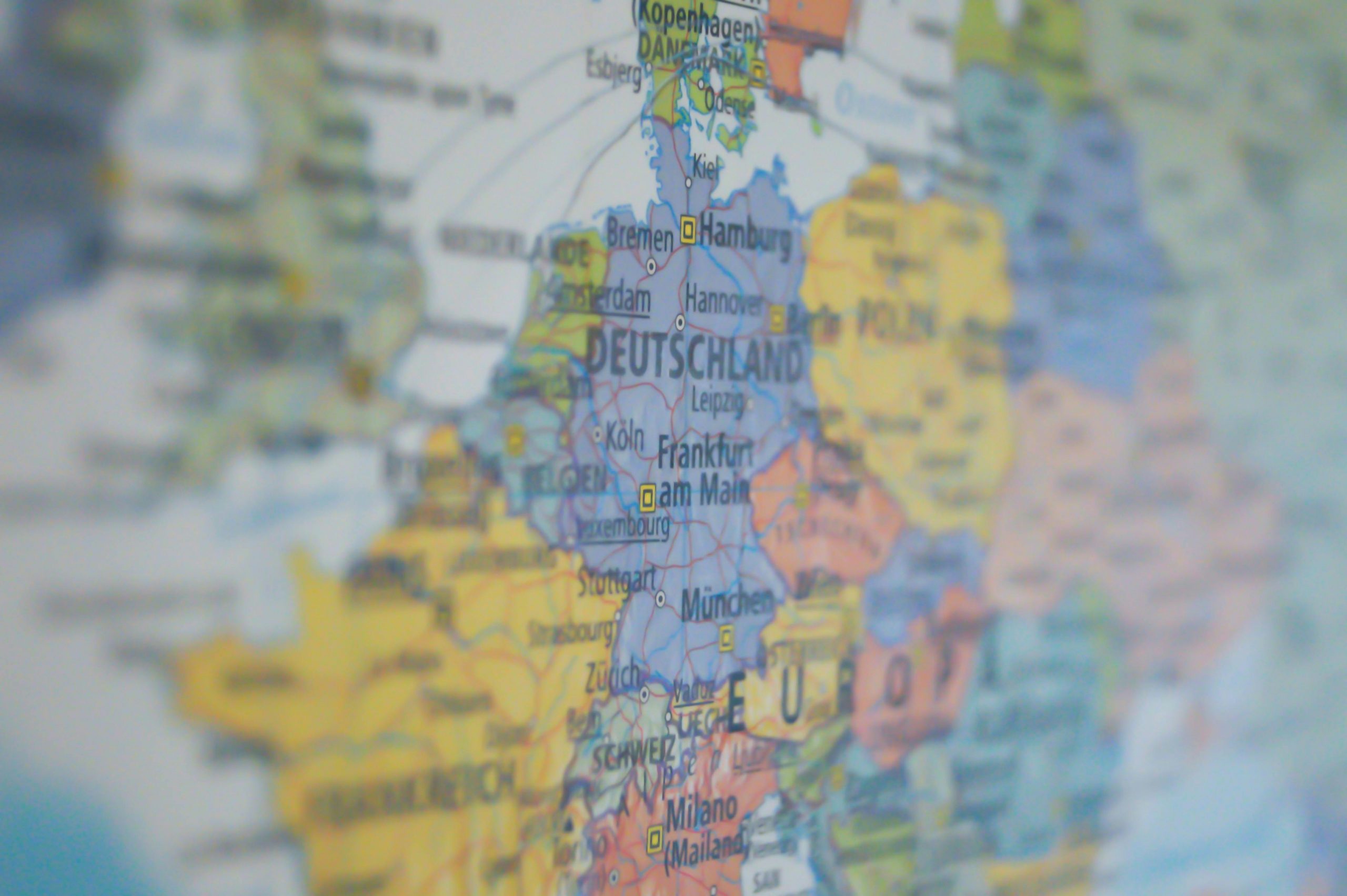
Discovering the Diversity of Germany: A Guide to the 16 Bundesländer
Germany’s rich cultural tapestry is woven from its 16 federal states, each boasting unique traditions, landscapes, and histories. Whether you’re an adventurer, a history buff, or a culture enthusiast, exploring the Bundesländer offers endless possibilities. Let’s take a deeper dive into each state, highlighting what makes them special and why they should be on your travel itinerary.
1. Baden-Württemberg
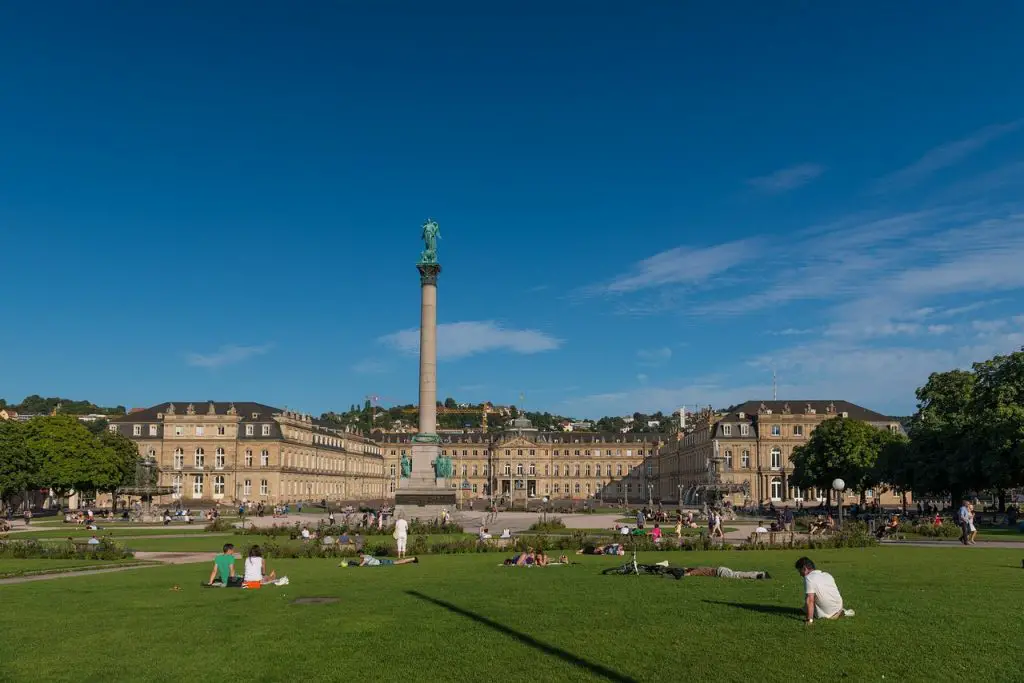
- Capital: Stuttgart
- Highlights: Home to the Black Forest, renowned for its cuckoo clocks, dense woods, and scenic hiking trails. Stuttgart, the capital, is famous for its automotive industry, including the Mercedes-Benz and Porsche museums.
2. Bavaria (Bayern)
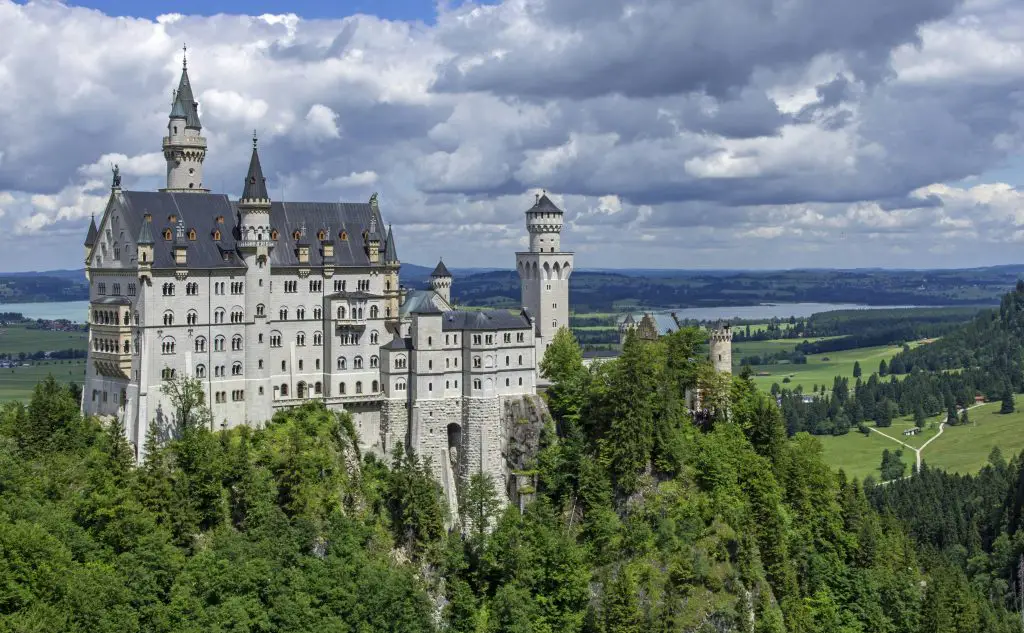
- Capital: Munich (München)
- Highlights: Known for its stunning Alps, fairy-tale castles like Neuschwanstein, and the world-famous Oktoberfest in Munich. Bavaria is also rich in tradition, with picturesque villages and hearty cuisine.
3. Berlin
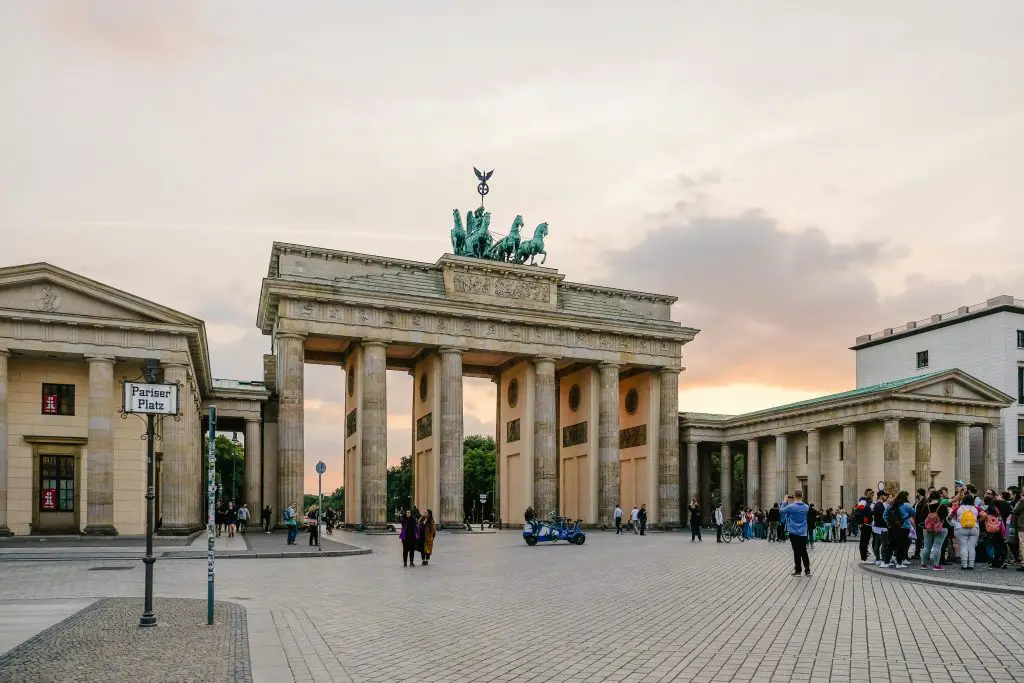
- Status: City-state
- Highlights: Germany’s capital city is a vibrant cultural hub, with landmarks such as the Brandenburg Gate, Berlin Wall remnants, and numerous museums on Museum Island. Berlin’s dynamic arts scene and nightlife are unparalleled.
4. Brandenburg
- Capital: Potsdam
- Highlights: Surrounding Berlin, Brandenburg is known for its natural beauty, including numerous lakes and parks. Potsdam’s Sanssouci Palace and gardens are a UNESCO World Heritage Site and a must-visit.
5. Bremen
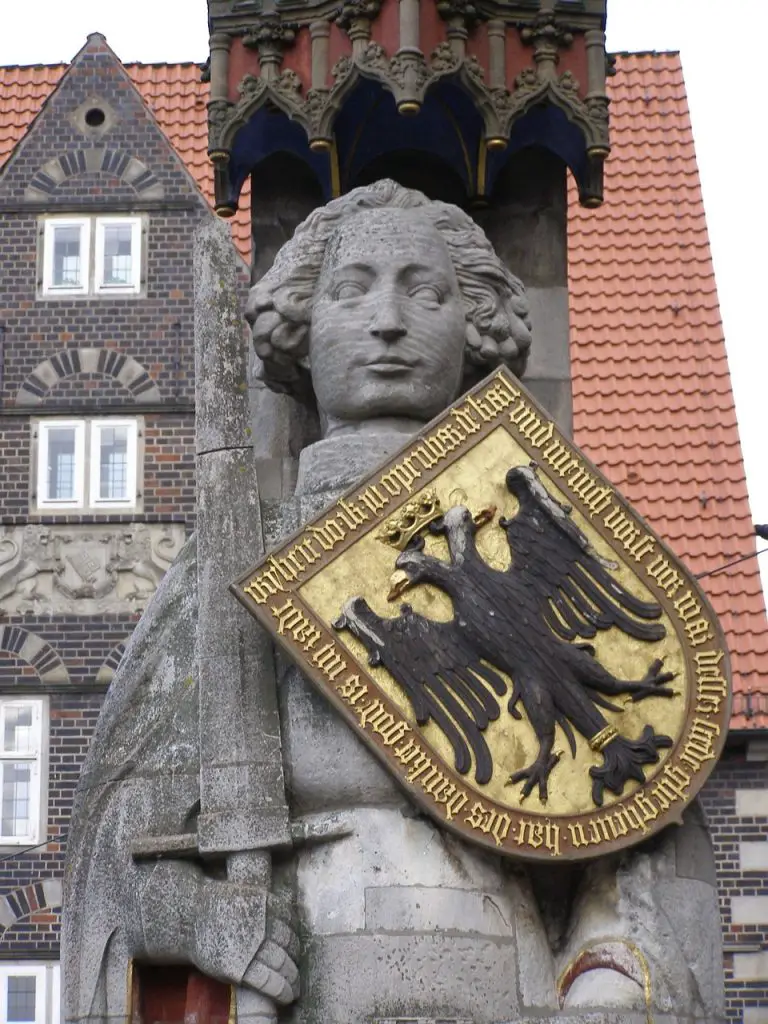
- Status: City-state
- Highlights: A historic port city with the charming Bremen Town Musicians statue and a well-preserved old town (Schnoor). Bremen’s maritime heritage is celebrated in its many museums and festivals.
6. Hamburg
- Status: City-state
- Highlights: Germany’s second-largest city and a major port, Hamburg is known for its historic Speicherstadt warehouse district, lively Reeperbahn nightlife, and the stunning Elbphilharmonie concert hall.
7. Hesse (Hessen)
- Capital: Wiesbaden
- Highlights: Frankfurt, Germany’s financial hub, offers a skyline filled with skyscrapers and the Römer medieval building. Hesse’s diverse landscapes range from the Rhine Valley vineyards to the Taunus mountains.
8. Lower Saxony (Niedersachsen)
- Capital: Hanover (Hannover)
- Highlights: Known for the picturesque Lüneburg Heath, the Volkswagen headquarters in Wolfsburg, and historic towns like Göttingen. The state hosts several significant cultural and industrial fairs.
9. Mecklenburg-Vorpommern
- Capital: Schwerin
- Highlights: Famous for its Baltic Sea coastline, pristine beaches, and islands like Rügen and Usedom. The Mecklenburg Lake District is a paradise for nature lovers and water sports enthusiasts.
10. North Rhine-Westphalia (Nordrhein-Westfalen)
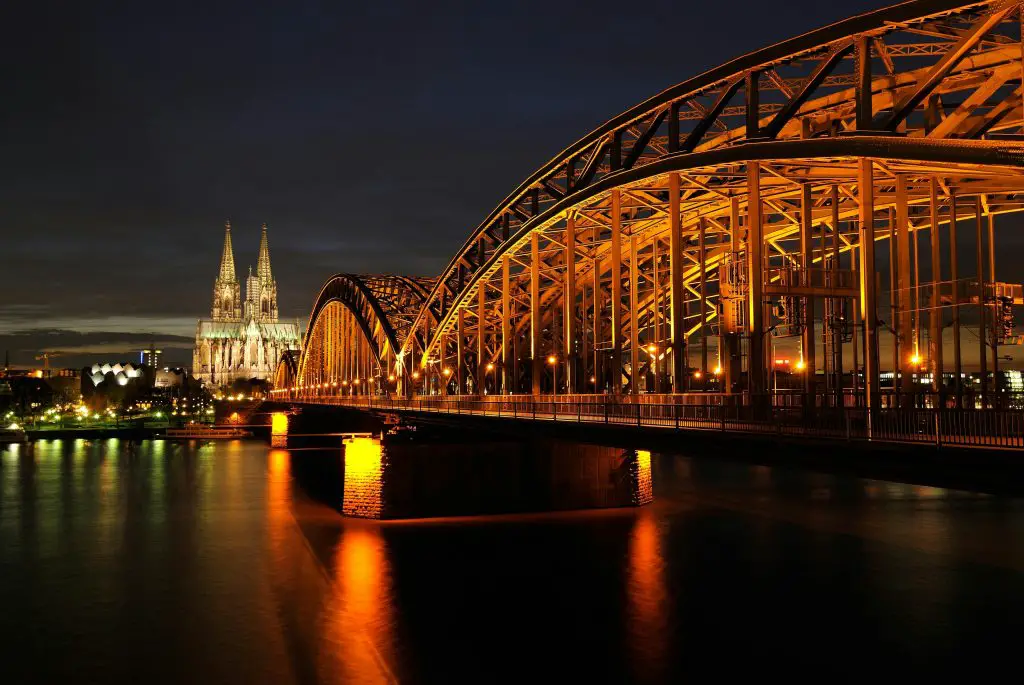
- Capital: Düsseldorf
- Highlights: Germany’s most populous state features the vibrant cities of Cologne, with its iconic cathedral, and Düsseldorf, known for its fashion and art scene. The Ruhr area offers a glimpse into Germany’s industrial past.
11. Rhineland-Palatinate (Rheinland-Pfalz)
- Capital: Mainz
- Highlights: Renowned for its wine regions, including the Moselle and Rhine valleys, dotted with vineyards and medieval castles. Mainz is famous for its Roman heritage and the Gutenberg Museum.
12. Saarland
- Capital: Saarbrücken
- Highlights: A small state with a rich industrial history and French influence, seen in its cuisine and culture. The Saar Loop (Saarschleife) is a stunning natural landmark.
13. Saxony (Sachsen)
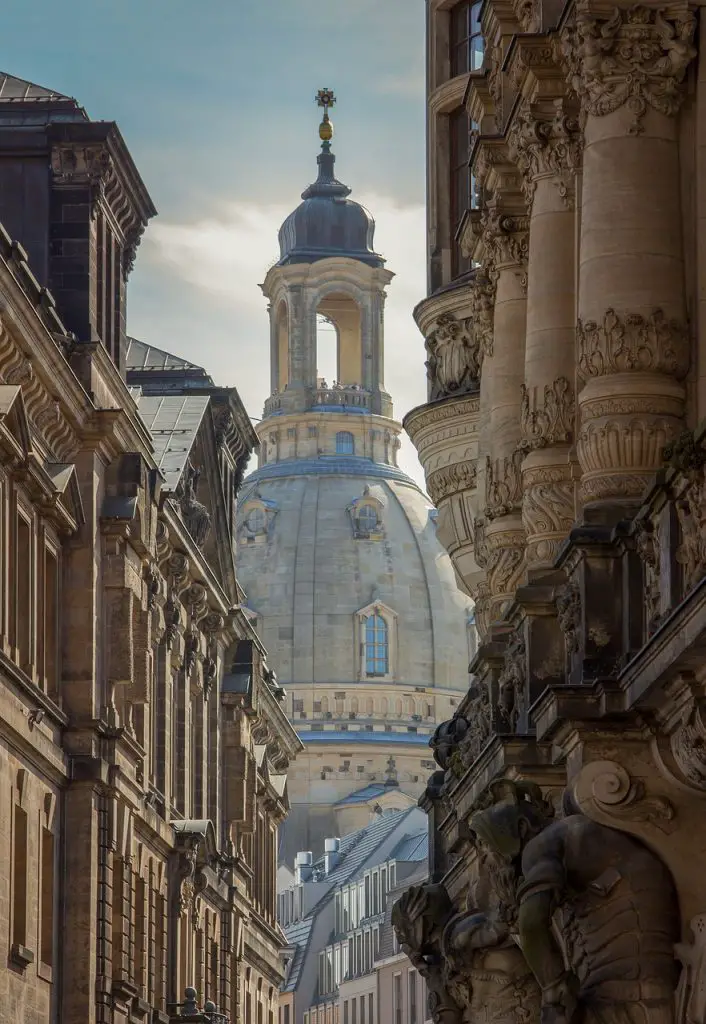
- Capital: Dresden
- Highlights: Known for its cultural cities, Dresden, with its baroque architecture, and Leipzig, with a rich musical heritage. The Saxon Switzerland National Park offers dramatic sandstone formations and hiking trails.
14. Saxony-Anhalt (Sachsen-Anhalt)
- Capital: Magdeburg
- Highlights: Home to the historic towns of Quedlinburg and Wittenberg, associated with Martin Luther and the Reformation. The Harz Mountains provide beautiful landscapes and outdoor activities.
15. Schleswig-Holstein
- Capital: Kiel
- Highlights: Germany’s northernmost state, bordered by the North and Baltic Seas, is known for its maritime heritage. Highlights include the Kiel Canal, the annual Kiel Week sailing event, and charming coastal towns.
16. Thuringia (Thüringen)
- Capital: Erfurt
- Highlights: Rich in cultural heritage, Thuringia is home to Weimar, the heart of German Enlightenment and Classical literature. The Thuringian Forest offers excellent hiking opportunities, including the famous Rennsteig trail.
Tips for Traveling Across the Bundesländer
- Embrace Regional Differences: Each state has its unique dialects, traditions, and cuisines. Be open to trying local specialties and engaging with regional cultures.
- Use the Train Network: Germany’s efficient train network, including Deutsche Bahn and FlixTrain, makes it easy to travel between states. Consider getting a rail pass for unlimited travel.
- Plan Around Festivals: Germany hosts numerous regional festivals throughout the year. Planning your visit around events like Oktoberfest in Bavaria or the Christmas markets in Saxony can enhance your experience.
- Explore Nature: Germany’s diverse landscapes offer something for every nature lover. From the Alps in Bavaria to the coastlines of Schleswig-Holstein, there’s no shortage of outdoor activities.
- Historical Tours: Each state has its historical sites, from the Berlin Wall to the castles of the Rhine Valley. Include these in your itinerary to get a deeper understanding of Germany’s rich history.
Exploring Germany’s Bundesländer provides a comprehensive and enriching travel experience. Each state, with its unique charm and attractions, contributes to the country’s diverse and vibrant character. Whether you’re journeying through bustling cities or serene countrysides, Germany by rail is a journey through time, culture, and breathtaking landscapes.