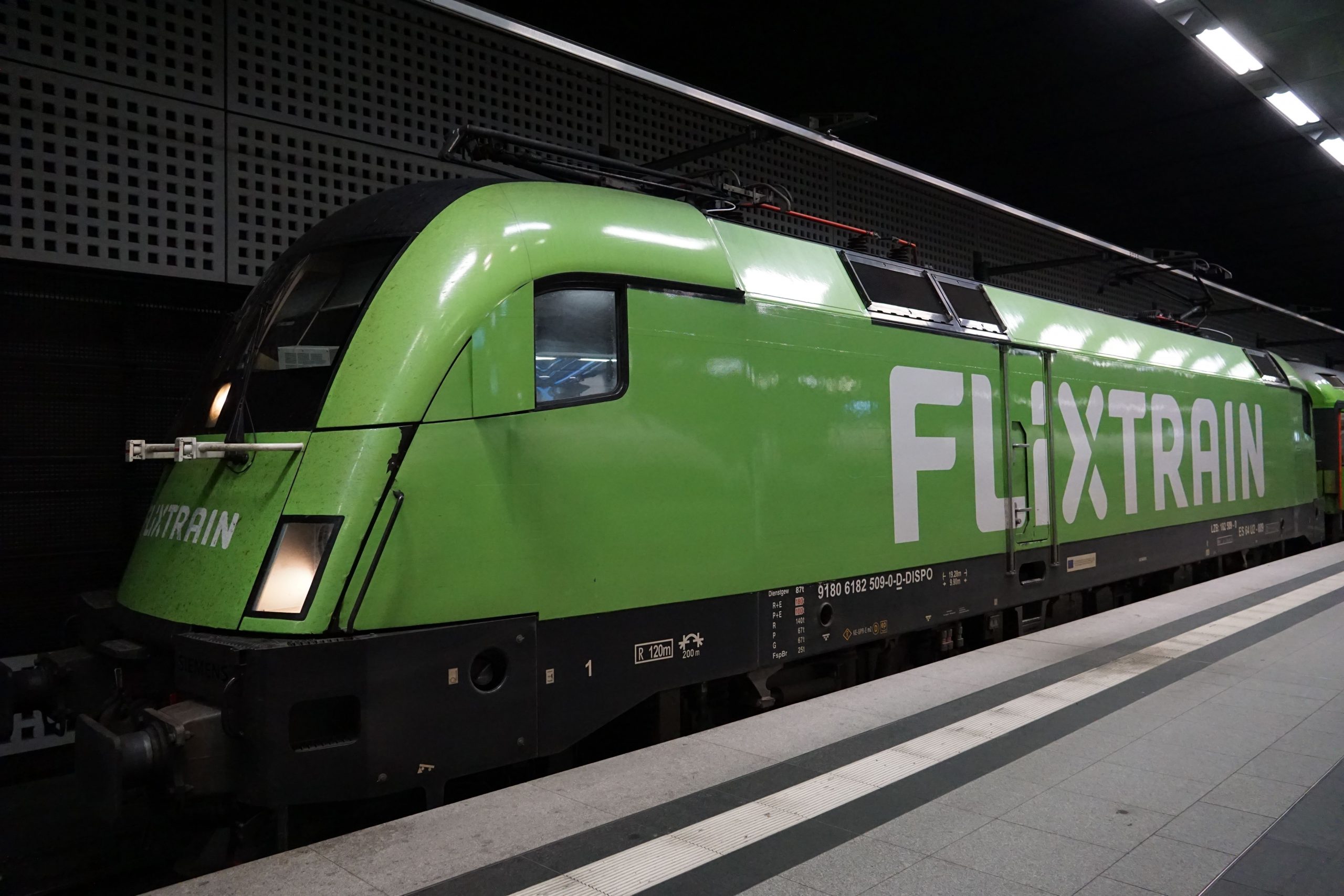
Flixtrain, the brainchild of Flix SE, burst onto the German train scene in 2017, promising budget-friendly fares and shaking up the Deutsche Bahn (DB) monopoly. Starting with just two routes in 2018, Flixtrain has rapidly expanded its network, tempting travelers with its low prices. But is Flixtrain too good to be true? Can it truly compete with the established giant, DB?
I recently took the plunge and experienced Flixtrain firsthand, traveling from Leipzig to Berlin and then from Halle (Saale) to Heidelberg. In this blog post, I’ll delve into my experiences, providing insights into the pros and cons of choosing Flixtrain. From ticket prices and onboard amenities to punctuality and overall comfort, I’ll give you the lowdown on whether Flixtrain is a viable alternative to DB or if you’re better off sticking with the tried and true.
Get ready to discover the highs and lows of my Flixtrain adventures and find out if this budget train service is worth hopping aboard!
Routes
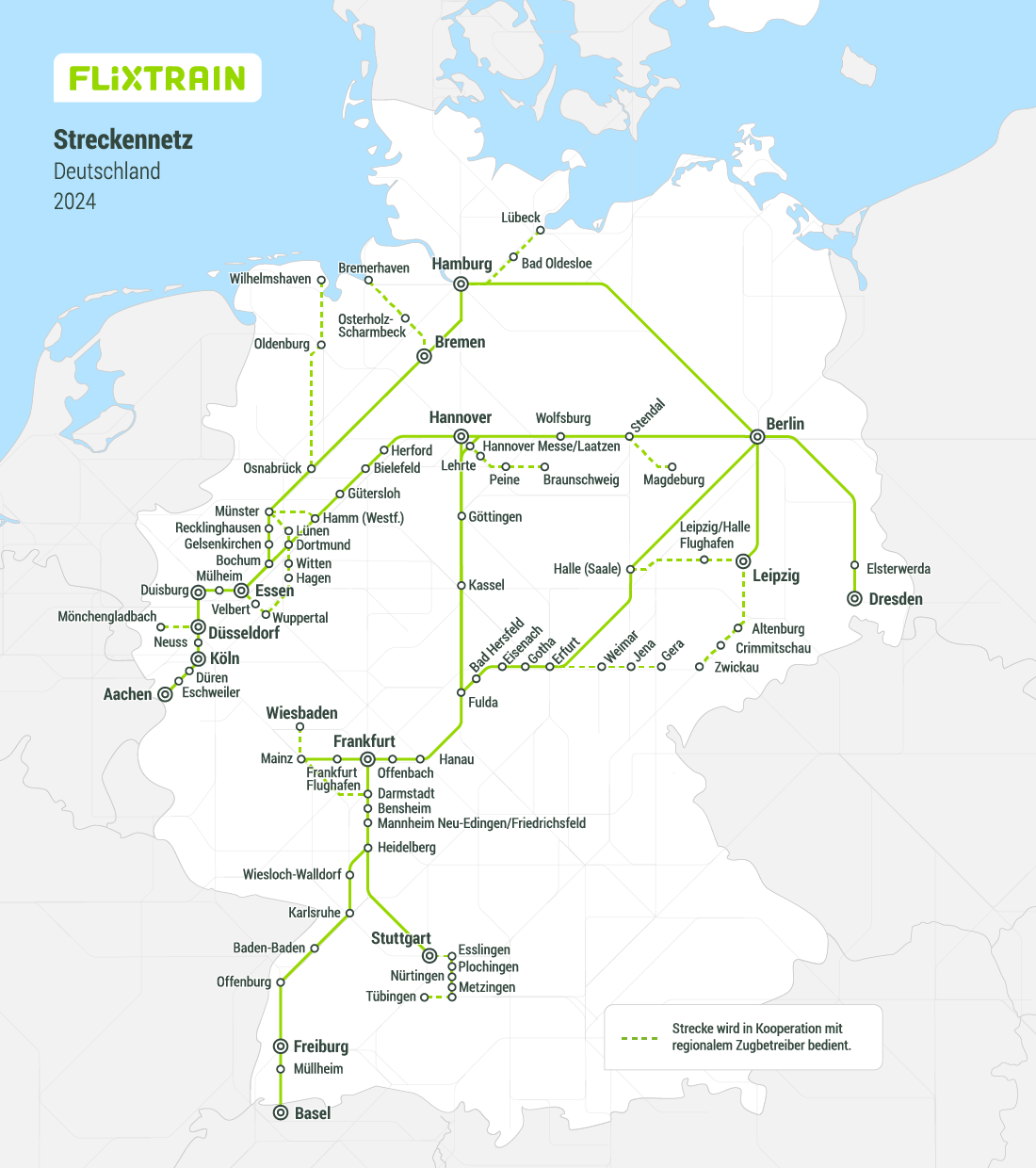
Over the past few years, Flixtrain has consistently expanded its network. Passengers can now enjoy the following main routes:
- Berlin – Hamburg
- Frankfurt – Stuttgart
- Köln – Hamburg
- Berlin – Köln
Booking & Fares
Flixtrain makes a name for itself with budget-friendly fares, often coming in cheaper than Deutsche Bahn (DB). Booking your tickets is easy, either directly through the Flixtrain website (https://www.flixtrain.de/) or via the Flixbus website.
As with most train travel, booking in advance generally secures the best prices, with fares tending to rise closer to the departure date. A major perk, especially when comparing Flixtrain to DB, is the inclusion of a seat reservation with your ticket purchase – no need to shell out extra for a guaranteed spot!
Trains
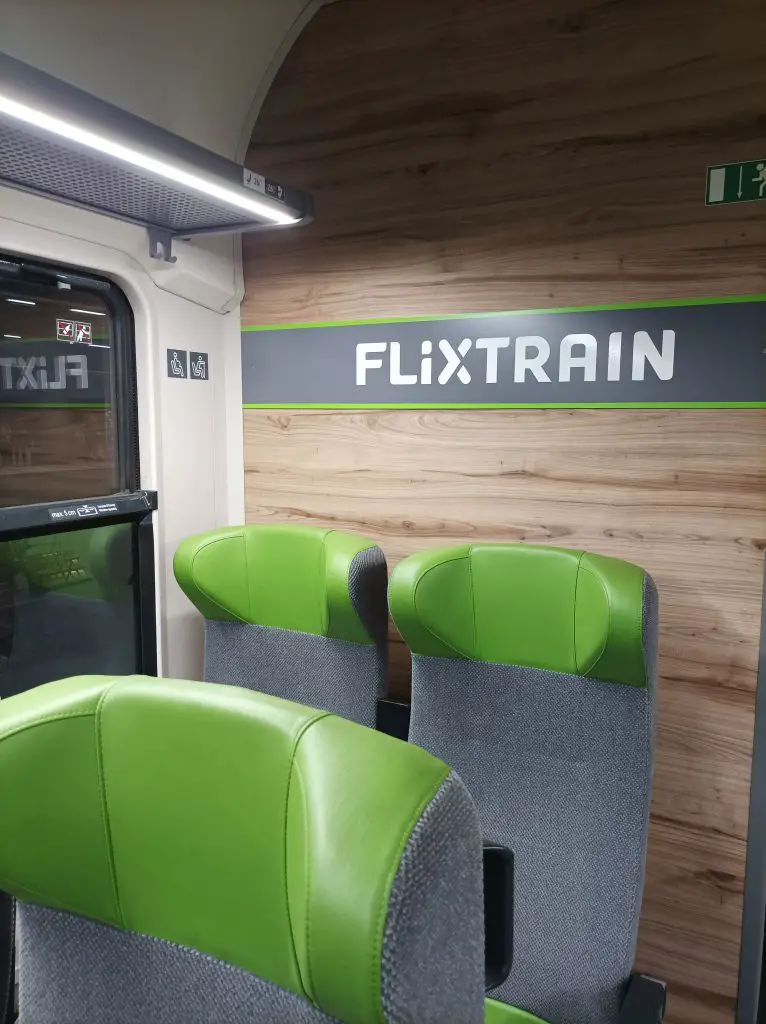
Since the summer of 2020, Flixtrain has been turning heads with its fleet of 135 modernized train cars. These aren’t your average carriages, though. Flixtrain took former Interregio wagons, originally built by Talbot, and gave them a new lease on life as spacious Bmmz264 and Bmmdz268 high-capacity wagons.
While the transformation was extensive, Flixtrain cleverly retained some of the iconic Interregio design elements. The distinctive wave-shaped ceiling cladding, the longitudinal wall cladding, the glass doors with handles, and even the tables were kept, receiving a fresh coat of paint in Flixtrain’s signature color scheme.
But the real magic happened inside. Out with the old and in with brand new, comfortable seats, modern restrooms, convenient power sockets at every seat, and of course, Wi-Fi and digital entertainment to keep passengers connected and entertained throughout their journey.
This impressive revamp significantly increased passenger capacity. Each car now accommodates a remarkable 100 passengers, up from the original 60. This makes Flixtrain’s carriages the most densely seated in German long-distance rail travel, even surpassing DB Long-Distance’s IC high-capacity cars, which offer 80 seats for the same car length.
Flixtrain proves that sustainability and comfort can go hand-in-hand, offering a modern travel experience with a nod to railway heritage.
Experience
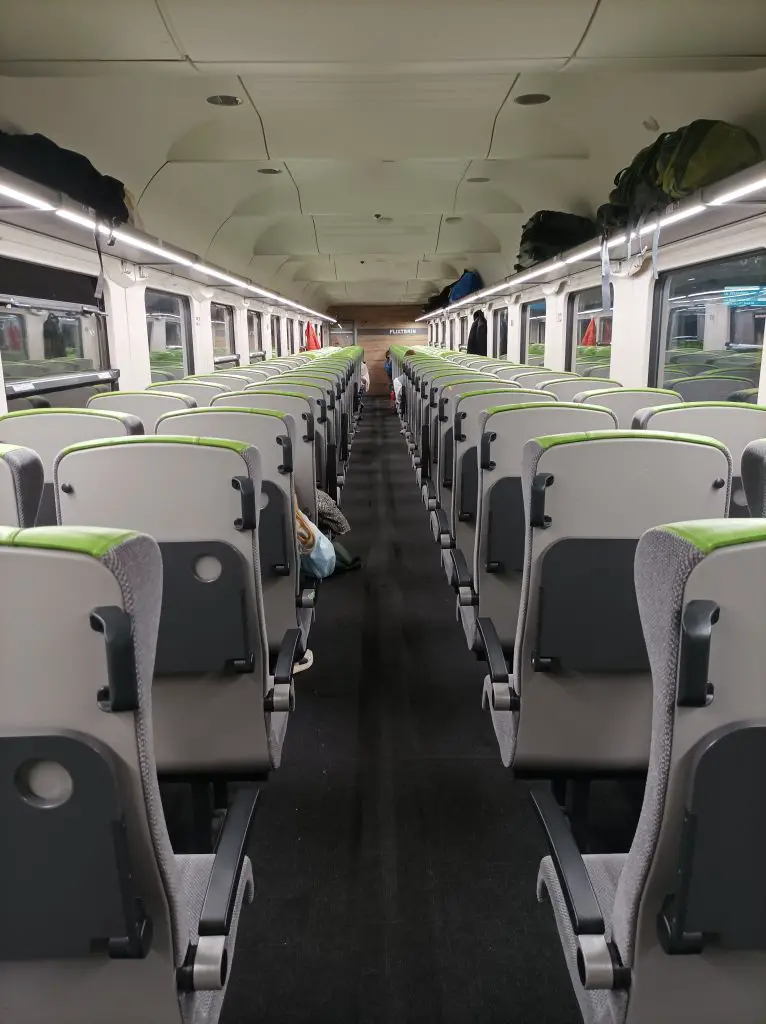
One of the standout features of Flixtrain is the unbeatable pricing. The fares are significantly cheaper than what you’d find with Deutsche Bahn’s high-speed ICE services, making Flixtrain an attractive option for budget-conscious travelers. For the price, you also get the added perk of having your seat reserved—something that is not always included in DB’s cheaper options. This means no scrambling to find a seat in a crowded train, which is a big plus in my book.
As for punctuality, I was pleasantly surprised. Both of my Flixtrain journeys were right on time, which dispelled some of my initial doubts. The trains themselves were clean and well-maintained, which made the overall experience more pleasant than I expected.
However, Flixtrain does come with its downsides. For one, it’s slower than DB’s ICE trains. If you’re in a rush, the extra time spent on the tracks might be a dealbreaker, especially on longer routes like Halle to Heidelberg.
Another drawback is the lack of air conditioning. On cooler days, this wasn’t an issue for me, but I can imagine it being uncomfortable during hotter months. There’s also no onboard restaurant or bistro car, so if you get hungry or thirsty, it’s best to bring your own snacks.
All in all, if you’re looking for a cost-effective way to travel across Germany and don’t mind the slower pace or the lack of certain amenities, Flixtrain is worth considering. Just be sure to pack some snacks and check the weather forecast before boarding!
Pro
- cheap fares
- seat reservation included
Contra
- less legroom than in DB trains
- no restaurant in train
- trains slower than ICE
Conclusion
Ultimately, Flixtrain presents a compelling option for budget-conscious travelers who prioritize affordability over speed and luxury. The inclusion of seat reservations in the already cheap fares makes it an attractive choice for those seeking a hassle-free journey. However, travelers accustomed to the spacious comfort and onboard amenities of DB trains might find the lack of legroom and absence of a restaurant car a significant drawback. Additionally, the slower travel times compared to ICE trains should be factored into travel plans.
In conclusion, Flixtrain offers a compelling value proposition for travelers who prioritize affordability and convenience. However, those seeking a more comfortable and faster journey with onboard services might find DB trains a better fit, albeit at a higher price point.